
The history of Teen Patti: from three-card brag to Diwali tables
Where Teen Patti comes from, why it looks like poker, and how a family card game became a Diwali tradition and then a live-casino game.
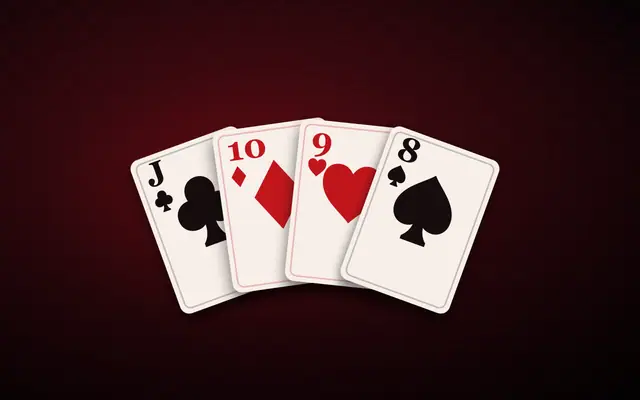
Teen Patti is so much a part of Indian life that it can seem to have always been there. Its history is a little more complicated.
The English connection
According to Wikipedia, Teen Patti originated in India and descends from the English game of three-card brag, with some influence from poker. Three-card brag has been played in Britain for centuries and uses the same idea of a three-card hand, the same bluffing and a similar ranking of hands. Card games travelled through the British period in India, and this one took root and changed.
Some accounts connect the game to older Indian card games, but these claims are poorly documented, so we do not repeat them as facts. What is clear is the family likeness: the hand names and the mixture of luck and bluffing are close to both brag and poker.
What the name means
Teen means "three" and patti means "cards" or "leaves", so the name is simply "three cards". The game is also called flash or flush in some regions, and it has regional house rules everywhere it is played.
A Diwali tradition
For generations, Teen Patti has been played in many families during Diwali, the festival of lights, when relatives and friends gather. Played at home for small stakes or just for fun, it is a social game as much as a betting game. The tradition explains why almost everyone in India knows at least the basic hand ranking.
Spreading beyond India
The game spread through South Asia and with the South Asian diaspora to other countries. It has long been played in clubs and homes in the Gulf, Southeast Asia, East Africa, the UK and North America.
Teen Patti goes digital
Mobile apps made Teen Patti a social game people could play with friends far away. Live-dealer providers then turned it into a table game, often in a Player A / Player B format that fits the pace of a casino. The live tables on winzap.vip, such as Teen Patti Live from Evolution and One Day Teen Patti from Ezugi, are examples. These versions use the traditional hand ranking but are otherwise a different game: you bet on a dealt hand instead of playing one, and the house keeps an edge. See live vs classic.
Why it lasts
Teen Patti is quick to learn, needs only a deck of cards and mixes luck, nerve and reading people. That is a good recipe for a game that has crossed generations. For information only. 18+.
Full Teen Patti rules, hand rankings & odds
18+ only. This article is for information, not advice to gamble. Responsible gambling.