
How to play Teen Patti: a step-by-step guide for beginners
Everything you need to sit down at a Teen Patti table: the cards, the boot, blind and seen play, how betting works and how a hand ends.
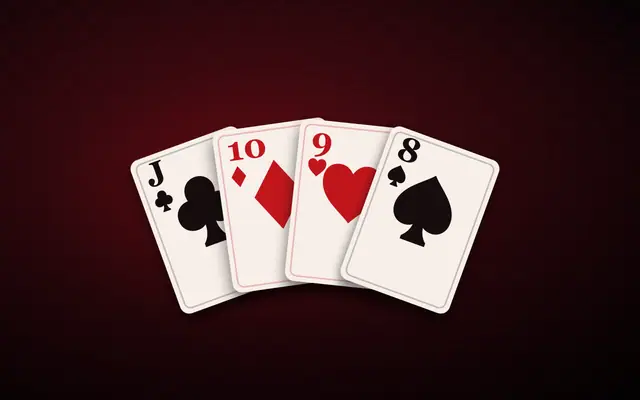
Teen Patti, Hindi for "three cards", is the card game most Indian families know. You can learn the rules in a few minutes, and it is easy to follow even if you have never played poker. This guide walks through one full hand of the classic game, played among friends.
What you need
- Three to six players (more can play, but the table gets crowded).
- A standard 52-card deck with the jokers removed.
- Something to stake: chips, tokens or, for a family game, just points. Agree what you are playing for before the first deal.
Step 1: the boot
Every player puts the same small amount into the middle. This is the boot (also called the ante). It makes sure there is always something in the pot worth winning.
Step 2: the deal
The dealer shuffles and deals three cards face down to each player, one at a time, clockwise. Nobody looks yet.
Step 3: blind or seen
This is the part that makes Teen Patti different. At your turn you choose whether to play blind (you bet without looking at your cards) or seen (you look at your cards first). Blind play is cheaper but you are betting without information. You can turn your cards over and become seen at any turn, but you can never go back to blind.
Step 4: betting
Play starts with the player to the dealer's left and moves clockwise. The bet you make is called a chaal.
- A blind player bets the current stake, or can raise.
- A seen player must bet at least double the current stake.
- The table normally agrees a maximum bet, or a pot limit, in advance.
If you do not want to continue you can pack, which means fold. You put your cards face down and lose whatever you have already put into the pot.
Step 5: side show and show
When two players remain, either one can ask for a show by paying the stake. Both hands are turned over and the better hand takes the pot. If the hands are exactly equal, the player who asked for the show loses in most rules, so ask your table which rule it uses.
A seen player may also ask the seen player before them for a side show, a private comparison of cards. The lower hand has to pack. Many groups let the other player refuse.
Step 6: who wins
The last player left wins the pot, even without showing a card. That is why bluffing matters: if everyone else folds, your cards never need to be good. The deal then passes to the left and a new hand begins.
Which hand wins?
From best to worst: trail (three of a kind), pure sequence (straight flush), sequence (straight), colour (flush), pair, high card. The full table, with the exact odds of each hand, is in our hand rankings guide.
A few habits to start with
- Agree the house rules out loud before dealing: ante, maximum bet, side-show rules, how A-2-3 ranks and what happens on a tie.
- Fold weak hands early. Money already in the pot is gone, whatever you do next.
- Only about one hand in four is a pair or better, so a pair is already above average.
Teen Patti is also available as live-dealer table games where you do not play a hand at all. That is a different game with a house edge: see live Teen Patti vs classic Teen Patti. This guide is for information only and for adults aged 18 or over.
Full Teen Patti rules, hand rankings & odds
18+ only. This article is for information, not advice to gamble. Responsible gambling.